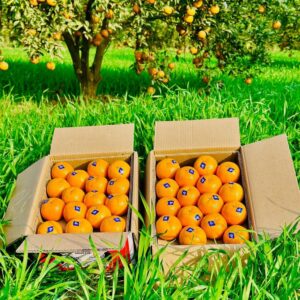
Pakistani Mandarin Kinnow Industry Facing an Unprecedented Crisis
Pakistan’s citrus industry, particularly the famous Pakistani Mandarin Kinnow, is going through one of its most challenging periods. Farmers, fruit processors, exporters, labourers, and traders face serious economic difficulties due to international geopolitical tensions, regional trade restrictions, rising transportation costs, and changing weather conditions.
The 2025–26 season was already difficult for the industry, and the 2026–27 season is beginning under considerable uncertainty. Pakistan’s Kinnow industry depends heavily on international markets, affordable transportation, and timely exports. Unfortunately, all three factors are currently under pressure. Pakistani Mandarin Kinnow
1. Strait of Hormuz Crisis and Middle East Conflict
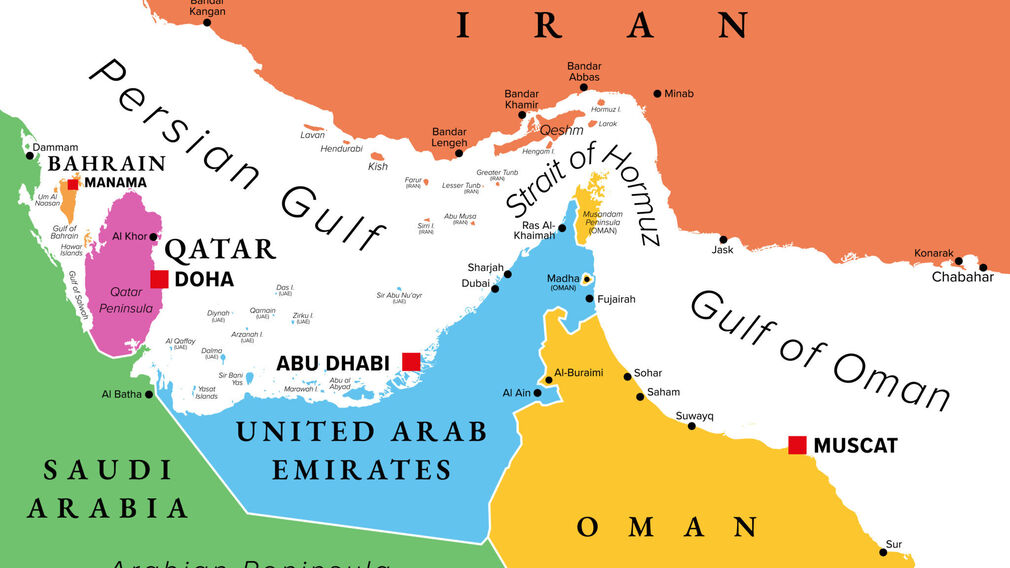
The geopolitical situation surrounding the Strait of Hormuz has created serious challenges for international shipping and regional trade.
The UAE (Dubai), Qatar, Bahrain, Kuwait, Iraq and Iran are important markets for Pakistani citrus exporters. However, military tensions and shipping disruptions have affected vessel movements, shipping schedules, insurance costs and freight availability.
Shipping companies are applying additional emergency freight charges, risk-related surcharges and alternative transportation costs. These expenses make Pakistani Kinnow increasingly expensive for international buyers. Pakistani Mandarin Kinnow
For exporters, the biggest concern is that the final landed cost of the fruit can become higher than its actual market value.
2. Major Gulf Markets Under Pressure
The Middle Eastern markets traditionally absorb considerable quantities of Pakistani Mandarin Kinnow.
- Dubai, UAE: A major trading and distribution hub for Pakistani citrus.
- Qatar: Importers are facing uncertainty over transportation costs and shipment schedules.
- Bahrain: Higher logistics expenses are affecting the competitiveness of imported fruit.
- Kuwait: Additional freight and transportation costs are creating difficulties for importers.
- Iraq: Shipping and regional trade disruptions are affecting supply chains.
- Iran: Regional conflict and transportation uncertainties are creating additional challenges.
These markets are important for Pakistan’s citrus export industry. When buyers become reluctant to place orders because of higher landed costs, the pressure immediately transfers to exporters, processors and farmers. Pakistani Mandarin Kinnow
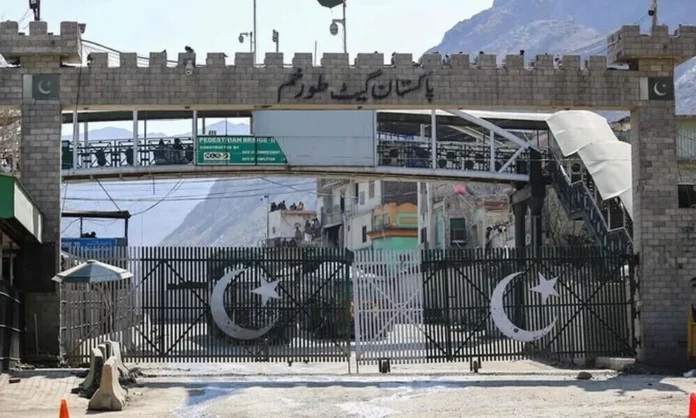
3. Afghanistan Border Closure and Central Asian Markets
Afghanistan has traditionally served as an important destination and transit route for Pakistani agricultural products.
However, prolonged Pakistan–Afghanistan border disruptions have severely affected cross-border trade.
Central Asian markets, including Uzbekistan, Tajikistan and Kazakhstan, are also facing transportation challenges because exporters depend on regional road and transit corridors to reach these destinations.
Alternative routes are longer, more expensive and sometimes difficult to arrange for perishable fruit.
Consequently, exporters are struggling to offer competitive prices while maintaining the quality and freshness of Kinnow.
4. Shipping Freight and Road Transportation Costs Are Extremely High
One of the biggest problems facing the Pakistani Mandarin Kinnow industry is the imbalance between commodity prices and transportation expenses.
In several export situations, the actual selling price of Kinnow is lower than the combined freight, transportation, handling, packing and other export expenses.
Both sea freight and road transportation have become expensive.
For exporters, this creates a difficult commercial situation:
- Higher container freight charges.
- Increased reefer transportation expenses.
- Additional insurance and security-related costs.
- Expensive road transportation to neighbouring and Central Asian countries.
- Increased packaging, labour and processing expenses.
- Uncertain delivery schedules and additional handling costs.
As a result, international buyers hesitate to confirm orders, while exporters struggle to maintain profitable business operations.
5. Approximately 90% of Processing Units Still Not Operational
The crisis is also affecting employment and industrial activity in Pakistan’s citrus-producing regions, particularly Sargodha and Bhalwal.
Despite the arrival of the harvesting season, a large number of processing facilities are still waiting for sufficient export orders and commercially viable market conditions.
According to industry-level observations, approximately 90% of processing units remain unopened at this stage.
This situation has directly affected seasonal workers, including fruit harvesters, sorting staff, grading workers, packing labourers, machine operators, and transportation workers.
Thousands of families depend on the annual Kinnow season for their livelihood. When processing units remain closed, seasonal employment opportunities disappear.
6. Climate Change Is Making Pakistan’s Kinnow Season Shorter
Climate change is another serious long-term threat to the Pakistani citrus industry.
Changing temperatures, prolonged heat, irregular rainfall, fog and unexpected weather patterns are affecting fruit development, maturity, quality and harvesting schedules.
Pakistan’s traditional Kinnow season is becoming increasingly compressed, with the commercially viable export window concentrated mainly in December, January and February.
This shorter season gives farmers and exporters less time to harvest, process, store and export their produce.
Without improved orchard management, modern varieties, cold-chain facilities and climate-resilient agricultural practices, the industry may face further difficulties.

7. Farmers, Processors and Exporters Need Immediate Support
The current situation requires serious attention from the Government of Pakistan, relevant export associations, financial institutions and agricultural departments.
Important measures should include:
- Special freight support for fresh fruit exporters.
- Alternative and reliable trade corridors to Central Asia.
- Immediate diplomatic efforts to restore regional trade connectivity.
- Affordable financing for Kinnow processors and exporters.
- Improved cold storage and reefer transportation facilities.
- Support for farmers facing falling fruit prices.
- Promotion of new international markets and diversified citrus varieties.
Conclusion: Protect Pakistan’s Citrus Industry Before It Is Too Late
Pakistani Mandarin Kinnow is an important agricultural product and a source of foreign exchange, rural employment and income for thousands of families.
Unfortunately, international conflicts, Strait of Hormuz shipping disruptions, Afghanistan border restrictions, rising transportation costs and climate change are putting enormous pressure on the entire industry.
The situation is not just an export problem. It is an economic challenge affecting farmers, processing factories, exporters, labourers, transporters and the wider agricultural supply chain.
Pakistan needs immediate practical measures to protect its Kinnow industry, restore export competitiveness and secure the livelihoods of everyone connected with this important sector.
At Bilal Enterprises Pakistan, we believe that Pakistani agricultural products deserve better access to international markets. Supporting farmers, strengthening export channels, and promoting Made in Pakistan products worldwide must remain national priorities.
Disclaimer:
The information presented in this article is based on industry observations, market conditions, trade developments and available information at the time of publication. The views expressed are intended for general informational and awareness purposes only.
References to geopolitical tensions, the Strait of Hormuz, regional conflicts, border closures, shipping disruptions, freight rates and international market conditions are subject to change without prior notice.
Figures and estimates regarding processing units, employment, transportation expenses and export conditions may vary across regions and businesses. They should not be considered officially verified national statistics unless supported by relevant authorities.
Bilal Enterprises Pakistan does not guarantee the accuracy, completeness or future availability of the market information discussed in this article. Readers, buyers, exporters and investors are encouraged to independently verify relevant information before making commercial or business decisions.
This article does not represent an official statement or position of any government department, trade association or regulatory authority.